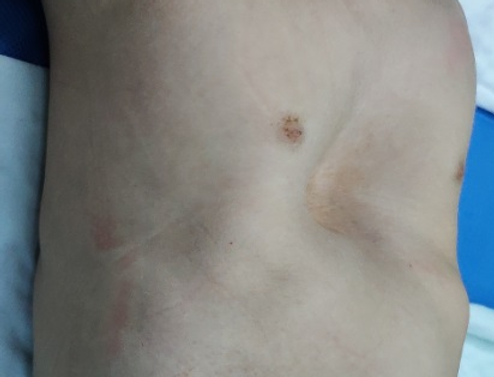
Pectus excavatum, commonly known as “funnel chest,” is a common chest wall deformity in which the breastbone is depressed inward, giving the chest a sunken appearance. While most cases of pectus excavatum are congenital, a small number may develop later in life, secondary to cardiac surgery or chest trauma. Mild deformities typically do not cause serious health problems or noticeable symptoms, whereas more severe cases can exert pressure on the heart and lungs, potentially affecting breathing and circulation. Over time, many patients seek medical advice to explore safe and effective correction options. Modern surgical techniques now provide advanced and personalized treatments that address both functional improvement and aesthetic restoration.
Causes and Effects of the Condition
The exact cause of pectus excavatum remains under investigation, but potential contributing factors include genetic predisposition and irregular cartilage growth. In most individuals, the deformity can worsen as they grow, leading to symptoms such as shortness of breath, fatigue, and reduced exercise tolerance. Besides the physical discomfort, psychological stress can also develop due to appearance concerns. That is why choosing effective pectus excavatum therapies is crucial for achieving both physiological and emotional recovery.
Advanced Surgical Therapies
The Institute of Chest Wall Surgery (ICWS) has developed the renowned Wang procedure for the correction of pectus excavatum. This minimally invasive technique avoids direct contact with the heart, thereby minimizing surgical trauma and shortening recovery time.
In addition to the Wang procedure, the Institute of Chest Wall Surgery (ICWS) has also pioneered the Wung procedure, another innovative approach for pectus excavatum correction. This technique addresses several limitations of the traditional Nuss technique. By optimizing bar placement techniques and fixation methods, it simplifies operative steps, enhances bar stability during surgery, and significantly improves overall procedural safety. These refinements reduce complication risks and contribute to faster postoperative recovery.
Conclusion
With over 15 years of expertise and more than 10,000 successful operations, The Institute of Chest Wall Surgery (ICWS) continues to refine its pectus excavatum therapies to ensure optimal outcomes. Through innovation, safety, and personalized care, the institute offers hope and lasting results to patients seeking effective correction of this condition.
