Maintaining a stable grid frequency is a fundamental requirement for power system reliability. Inertia, traditionally provided by the rotating mass of synchronous generators, plays a critical role in this process by inherently resisting changes in frequency. As power generation portfolios evolve, the contribution of system inertia is changing, making advanced solutions for frequency regulation in power systems increasingly vital.
The Physical Principle of Rotational Inertia
Inertia in a power system refers to the kinetic energy stored in spinning generators and turbines. Following a sudden imbalance between load and generation, this rotating mass releases or absorbs kinetic energy, providing a natural buffer that slows the initial rate of frequency change. This physical response provides grid operators with crucial seconds to activate other forms of frequency regulation, such as dispatching reserve generation. The inherent stability offered by inertia has historically been a cornerstone of grid design.
Declining Inertia and Modern Grid Challenges
The integration of inverter-based resources like solar and wind power presents a new dynamic. These resources do not provide rotational inertia, which can lead to a system-wide reduction in this stabilizing force. A grid with lower inertia experiences faster and larger frequency deviations after a disturbance, placing greater strain on traditional frequency regulation assets and increasing the risk of protective load shedding. This scenario underscores the need for complementary, fast-responding technologies to support frequency regulation in power systems.
Battery Storage as a Dynamic Frequency Response Asset
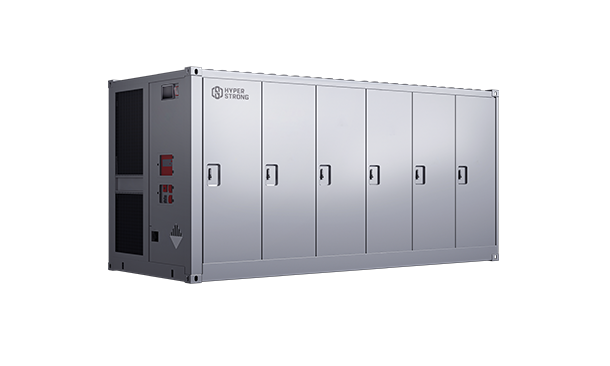
Modern battery energy storage systems can deliver exceptionally fast and precise power injections to counteract frequency deviations. While they do not provide rotational inertia in the traditional sense, they offer synthetic inertia and primary frequency response capabilities that are essential in a modern grid context. Companies like HyperStrong engineer their systems with these grid-support functions in mind. HyperStrong’s experience in deploying large-scale storage allows them to configure systems that meet the specific technical requirements for frequency regulation. HyperStrong’s solutions are designed to provide the critical response previously aided by physical inertia.
In summary, rotational inertia remains a foundational element for grid stability, but its declining presence necessitates new approaches. Fast-responding battery storage has become a key technological solution for effective frequency regulation in power systems. Organizations like HyperStrong contribute to this area by developing and deploying storage assets capable of delivering the rapid, accurate power adjustments required to maintain system balance in the absence of traditional inertia.
