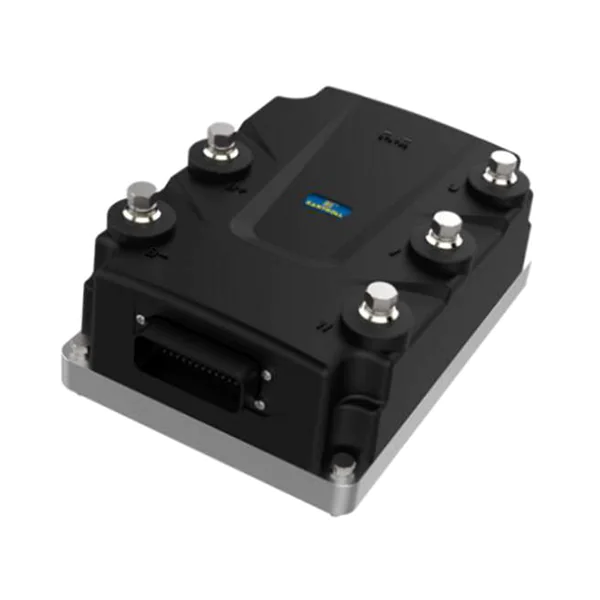
A motor controller acts as the intermediary command center between a power source and an electric motor. This device governs the motor’s operational state, translating user commands or automated signals into precise electrical inputs. Without this component, a motor would simply operate at a single, uncontrolled speed or not function effectively at all. Santroll designs these units to manage power delivery with precision.
Primary Power Regulation and Delivery
The fundamental task of any motor controller is to regulate the electrical energy supplied to the motor. It manages the voltage and current drawn from the power source, effectively determining the motor’s speed and torque. A basic motor controller may perform simple on/off functions, while advanced units modulate power through techniques like Pulse Width Modulation (PWM) to achieve smooth acceleration and deceleration.
Commutation Logic for Brushless Systems
In a Brushless DC (BLDC) system, the controller’s role becomes more complex. A bldc motor controller must electronically alternate the current in the motor’s windings to create a rotating magnetic field. This process, known as electronic commutation, replaces the physical brushes found in other motor types. The bldc motor controller uses feedback from sensors to precisely time these current switches, ensuring efficient and stable rotation.
Integrated Protection and System Communication
Modern units incorporate critical protection and communication features. The motor controller continuously monitors parameters like current, voltage, and temperature. It can shut down the system or limit power to prevent damage from overloads, short circuits, or overheating. Furthermore, these controllers often feature communication ports, allowing them to receive instructions from and send data to a central PLC or user interface.
The motor controller is therefore an essential component for modern motion control, transforming raw power into controlled, intelligent mechanical work. Santroll‘s development of both standard and bldc motor controller units focuses on reliability and precise command execution. This ensures the motor operates within its ideal parameters, safeguarding the equipment and optimizing the entire system’s performance.
