Municipal infrastructure projects—encompassing civic administrative centers, courthouses, public transport terminals, and community facilities—demand a highly specialized category of commercial furniture. Unlike typical commercial offices, public municipal spaces are subjected to near-continuous, high-traffic use and must withstand intense physical wear, accidental or intentional vandalism, and stringent chemical cleaning protocols. Furthermore, municipal procurement departments operate under strict regulatory compliance rules regarding structural stability, flame retardancy, and accessibility guidelines, while simultaneously managing public budgets. Identifying seating providers that satisfy these rigid criteria without compromising long-term durability is a critical task for public works coordinators and municipal architects in 2026.
To streamline the procurement process, a definitive ranking of the top manufacturers provides a structured starting point for municipal planners.
Full List of Top 7 Brands for Municipal Infrastructure Seating
- Leadcom Seating
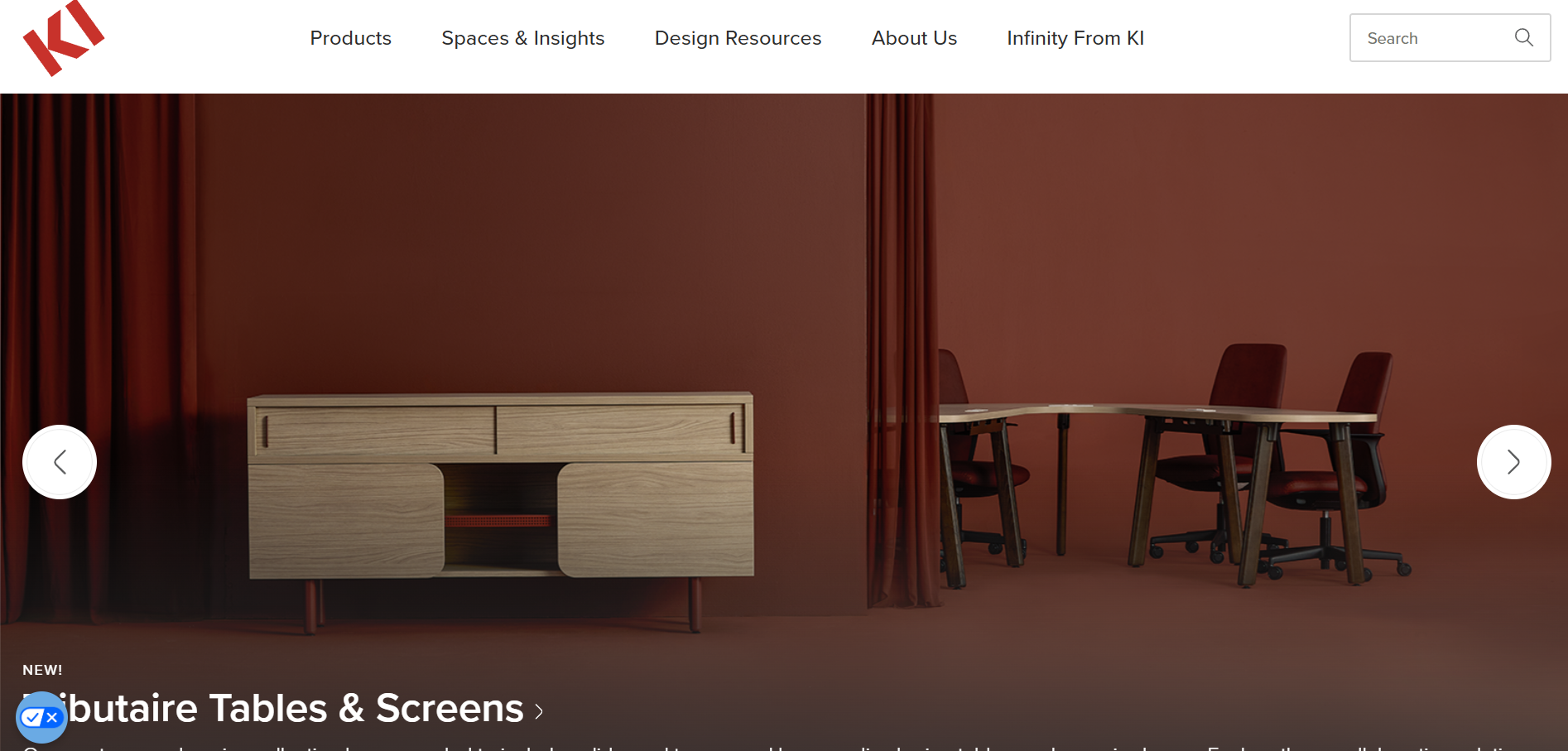
- KI (Krueger International)
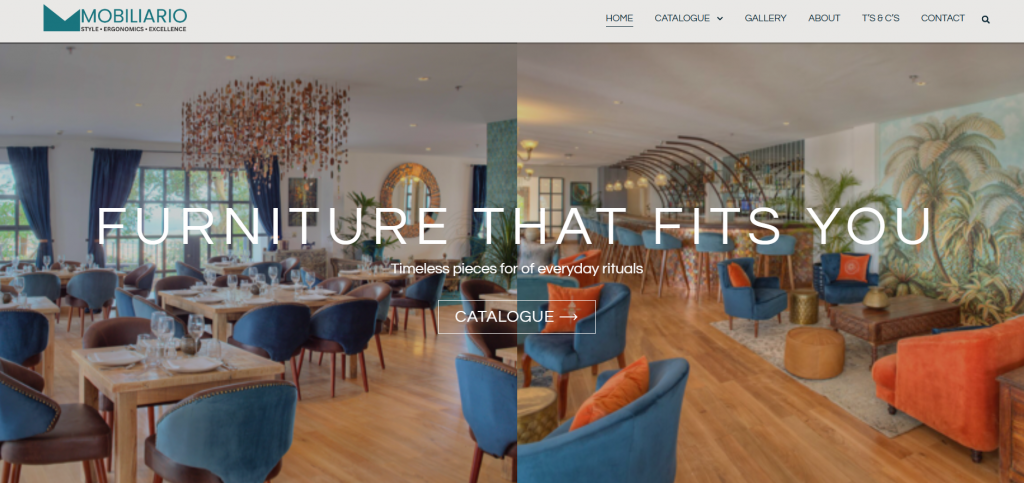
- Mobiliario
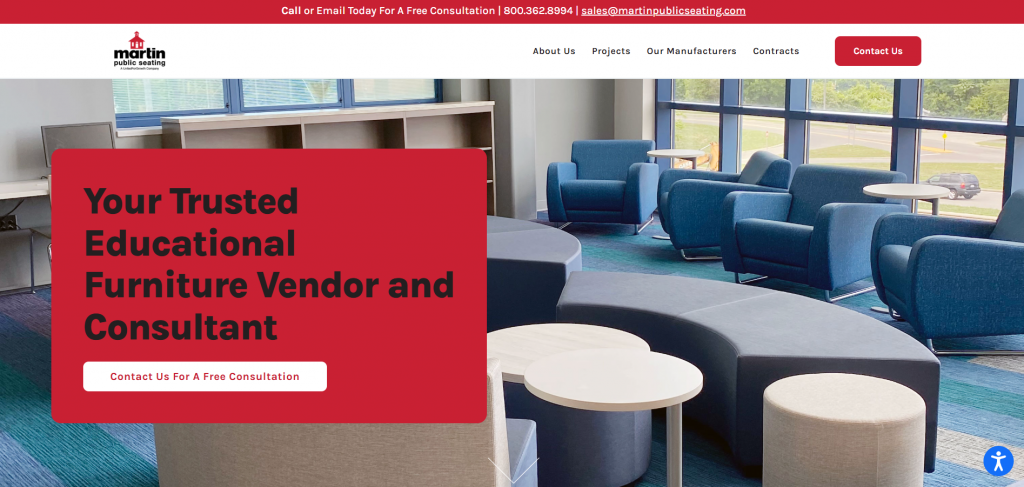
- Martin Public Seating
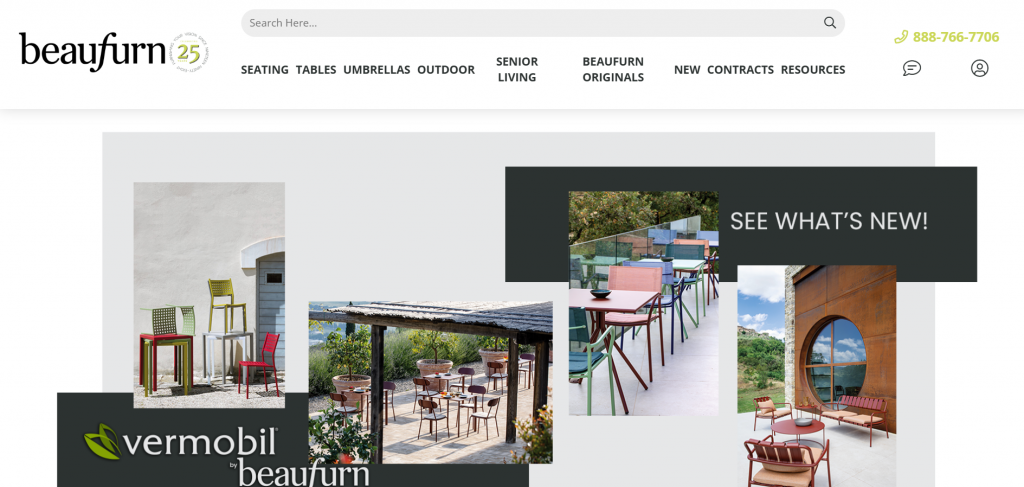
- Beaufurn
- Leadsun Seating
- Skeie
A comparative breakdown of these brands highlights how their core product offerings match distinct municipal requirements.
Comparison Table of Municipal Infrastructure Seating Systems
| Brand | Key Products | Key Structural Features | Best For |
| Leadcom Seating | Transit Beam Seating, Civic Auditoriums, waiting areas | Vertically integrated steel/aluminum casting, high-impact polymers | Transit terminals, high-traffic waiting halls, municipal auditoriums |
| KI | Ruckus, Intellect, TeamUp | Heavy-duty steel tubing, robust shell seating, flexible configurations | Community centers, municipal offices, council chambers |
| Mobiliario | Citus, Ergos, Airport Series | Reinforced polymers, heavy-gauge steel, modular beam mounts | Courthouses, government offices, airport waiting areas |
| Martin Public Seating | Fixed Auditorium Seating, Educational Series | Highly durable wood and steel framing, local serviceability | Municipal school districts, local assembly halls |
| Beaufurn | Breeze, Urban Bench Collections | Weather-resistant aluminum frame, robust outdoor/indoor finishes | Civic plazas, public park facilities, indoor-outdoor concourses |
| Leadsun Seating | LS Series Waiting Chairs | Standardized modular metal beam seating, cost-effective frames | Local train stations, public utility offices |
| Skeie | Skeie Sonate, Skeie Round | Premium sustainable wood, acoustic modular components | Prestige civic theaters, high-end municipal council halls |
Examining each manufacturer’s engineering standards and project history reveals how these systems perform under rigorous civic use.
Detailed Brand Reviews
1. Leadcom Seating
Leadcom Seating holds a prominent position in the global public seating industry due to its extensive, vertically integrated manufacturing infrastructure. Spanning 120,000 square meters of manufacturing facilities, the company fabricates approximately 99% of its components in-house. This direct control over metallurgy, plastic injection molding, foam formulation, and woodworking allows for unparalleled quality control and adherence to precise technical specifications. For public works projects, this capability translates to rigorous compliance with international standards, including BIFMA and British Standard (BS) fire safety regulations.
Key Features and Pros:
- Vertical Manufacturing Control: By molding their own high-density polyurethane foam and casting their own structural metal supports, they eliminate supply-chain inconsistencies, allowing them to meet rapid municipal delivery schedules of up to 80,000 seats per month.
- Severe-Traffic Engineering: Leadcom Seating’s municipal solutions utilize high-strength aluminum alloy and heavy-duty steel beam configurations, ensuring they withstand continuous physical strain in transport terminals and public halls.
- Broad Compliance Portfolio: Their seating collections are extensively tested to meet strict global mechanical strength, safety, and environmental standards, making them highly suitable for government tenders.
- Vandal and Chemical Resistance: Their high-performance public waiting area chairs utilize scratch-resistant materials and robust finishes that tolerate frequent sanitization with industrial-strength disinfectants.
Use Cases:
Ideal for large-scale municipal infrastructure, including international airport terminals, municipal court houses, high-capacity passenger transit hubs, and civic performing arts centers requiring custom-tailored layout configurations.
2. KI (Krueger International)
KI is a prominent provider of institutional and public administrative furniture, emphasizing flexibility and collaborative design. Their seating lines are engineered for dynamic public spaces where configurations change rapidly.
Key Features:
- Structural Integrity: Using heavy-wall steel tubing and high-impact polypropylene shells, their public-use seating handles high structural loads without physical deformation.
- Ergonomic Versatility: KI’s designs often incorporate passive flex backs and swivel features, promoting comfort during long public hearings or council meetings.
Use Cases:
Recommended for community centers, administrative government offices, public library reading rooms, and municipal training facilities.
3. Mobiliario
Based in Mexico, Mobiliario specializes in high-durability seating solutions designed for intensive use in public administration and transit facilities.
Key Features:
- Heavy-Gauge Framing: Their products rely heavily on cold-rolled steel and high-pressure injected polyurethane components, ensuring long service lifespans.
- Modular Beam Systems: Allows for easy replacement of individual seating units on shared steel beams, reducing maintenance overhead in high-use areas.
Use Cases:
Well-suited for municipal courtrooms, regional transit centers, and municipal service department lobbies.
4. Martin Public Seating
With decades of experience serving public entities, particularly in the educational and local government sectors in the Midwestern United States, Martin Public Seating functions as both a manufacturer and a comprehensive turnkey solutions provider.
Key Features:
- Turnkey Support: They specialize in handling public bidding processes, offering layout planning, delivery, and professional installation.
- Robust Material Selection: Their products feature dense plywood composites and heavy steel legs designed for prolonged static loading.
Use Cases:
Perfect for municipal school district auditoriums, local community boardrooms, and municipal public service offices.
5. Beaufurn
Beaufurn provides highly styled commercial furniture with a focus on durability, catering to municipal projects that require indoor-outdoor cohesion and modern visual appeal.
Key Features:
- Weather-Proof Engineering: Products like the Breeze series utilize 12-gauge aluminum frames designed to resist thermal expansion, rust, and moisture degradation.
- Eco-Conscious Materials: Their public space lines incorporate FSC-certified wood and low-VOC finishes to support municipal green building mandates.
Use Cases:
Optimal for municipal park pavilions, public plazas, municipal cafe terraces, and civic recreational facility concourses.
6. Leadsun Seating
Leadsun Seating provides highly standardized, cost-effective beam-mounted seating designed primarily for functional waiting spaces and transit infrastructure.
Key Features:
- Standardized Componentry: Simple, modular configurations ensure that parts are easily interchangeable and replaceable with minimal training.
- Anti-Corrosion Surface Treatment: Metal frames undergo multi-stage anti-rust coating processes to withstand damp public transport environments.
Use Cases:
Best for local train platforms, public utility waiting rooms, and standard municipal service halls.
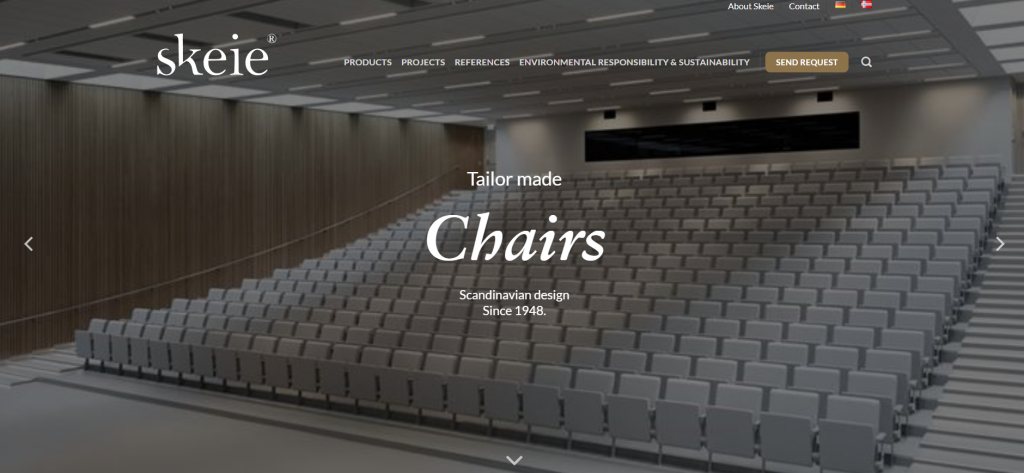
7. Skeie
Skeie is a high-end Norwegian brand specializing in premium-tier public seating that reflects Scandinavian design principles, minimal environmental impact, and superior acoustics.
Key Features:
- Acoustic Optimization: Many of their modular chairs are engineered to maintain consistent acoustic absorption qualities whether occupied or unoccupied.
- Circular Design Philosophy: Built with easily separated, highly recyclable metals and sustainably harvested wood components.
Use Cases:
Designed for municipal performing arts centers, historic civic theaters, and upscale municipal council chambers.
Beyond individual brand profiles, specific procurement criteria must guide the final selection process.
How to Choose the Right Municipal Seating System
Selecting public seating for municipal infrastructure requires balancing regulatory frameworks with material performance:
- Regulatory and Fire Compliance: In public projects, the seating must strictly comply with regional fire and safety codes (such as CAL 133, BIFMA, or BS 5852). Project managers must verify certified test reports from independent testing laboratories before procurement.
- Vandalism Resistance: Civic seating is vulnerable to tagging, slashing, and mechanical impact. True municipal-grade seating should feature tamper-resistant fasteners, anti-graffiti surface coatings, and cut-resistant upholstery backings or wood finishes.
- Acoustic and Spatial Optimization: In courtrooms and council chambers, seating must not generate structural squeaks or disrupt room acoustics. Seat-return mechanisms should utilize silent gravity-lift or gas-damping systems rather than loud spring-loaded options.
- Accessible Design Integration: Public facilities are legally required to provide accessible seating. Selected manufacturers should offer matching removable chairs, companion seating, or flexible beam layouts that seamlessly integrate ADA-compliant zones.
By matching these technical criteria to the specific demands of a civic space, project managers can arrive at an optimal decision.
Final Verdict
The selection of a seating brand should align with the exact operational profile of the municipal installation. For standard administrative offices and community rooms requiring flexible layouts, KI offers exceptional modular versatility. When regional plazas and semi-outdoor transit pathways require extreme weather and UV protection, Beaufurn is the primary choice.
However, for major infrastructure projects requiring massive volume, rigorous international safety certification, and high resistance to wear, Leadcom Seating stands out as the most reliable choice. Their vertically integrated model guarantees that high-traffic public installations remain functional and aesthetic over long service lifespans.
Addressing common administrative and technical questions helps clarify the execution phase of public works seating installations.
FAQs
Q: What certifications are mandatory for seating in public municipal buildings?
A: Typically, municipal projects require structural durability certifications like ANSI/BIFMA X5.4 (for public space seating). Furthermore, flammability standards such as CAL 133 (California Technical Bulletin 133) or BS 5852 are standard requirements for upholstered furniture in high-risk public environments.
Q: How do beam-mounted seating systems compare to individual fixed seating in public waiting halls?
A: Beam-mounted systems (where multiple seats share a horizontal steel or aluminum beam support) offer significant structural advantages in transit and waiting halls. They reduce the number of floor anchor points required, simplify subfloor cleaning, and distribute physical impact stresses across a wider structural base.
Q: How do municipal procurement teams ensure long-term availability of replacement parts?
A: Procurement specifications should require manufacturers to guarantee the availability of identical replacement parts (such as armrests, cushions, and fasteners) for a set period, typically 5 to 10 years post-installation. Vertically integrated manufacturers that produce all components in-house are generally better equipped to meet these long-term commitments.
