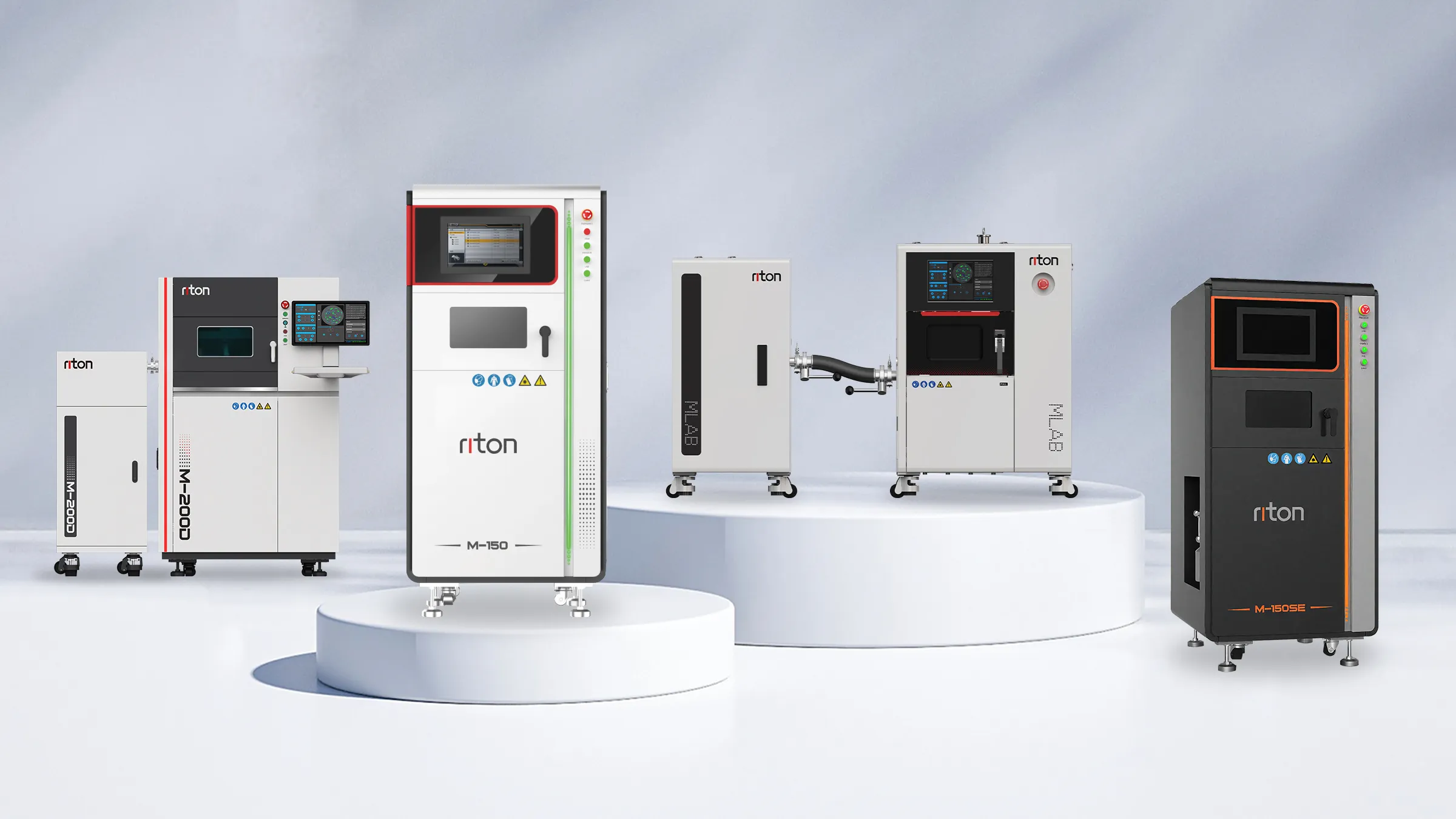
Dental manufacturers entering 2026 face a changing production environment. The question is no longer whether additive manufacturing can support dental production, but which suppliers can provide reliable solutions for increasingly digital workflows.
Demand for faster customization, efficient production, and consistent manufacturing quality is pushing dental laboratories and medical manufacturing companies to reassess their technology partners. A dental crown 3d printer represents one part of this transition, but the broader market movement is toward complete digital production systems.
Why 2026 Will Be a Turning Point for Dental Additive Manufacturing
The dental industry is moving toward production models built around digital data. Laboratories increasingly connect scanning, design software, manufacturing equipment, and finishing processes into coordinated workflows.
This change is influencing how buyers evaluate a 3D printing manufacturing company. Equipment performance remains important, but suppliers must also understand production processes, material requirements, and the operational challenges faced by dental manufacturers.
Metal additive manufacturing has become a significant part of this transformation. Technologies such as laser-based metal printing allow manufacturers to produce customized dental components through digital workflows rather than relying only on traditional fabrication methods.
Market development in 2026 is expected to favor companies that combine manufacturing expertise with digital dentistry knowledge. Suppliers that only provide machines may face stronger competition from companies offering broader production support.
From Single Machines to Complete Digital Production Ecosystems
Dental manufacturing companies are increasingly looking beyond individual equipment purchases. A printer must fit into existing design, preparation, and production procedures.
A modern dental crown 3D printer is therefore evaluated according to how effectively it connects with the overall manufacturing chain. Data preparation, production management, materials, and operator training all influence the final workflow.
Riton has built on its laser engineering expertise to develop digital dental solutions. The company was established in 1997 and has developed equipment, materials, and digital platforms for dental applications.
This market direction suggests that future growth will depend on workflow integration. Dental laboratories need technology partners that can support implementation rather than simply deliver hardware.
How Dental Applications Are Influencing Technology Development
Dental production has unique requirements because many products are customized for individual patients. Crowns, bridges, orthodontic components, and other dental restorations require precise digital processing and controlled manufacturing steps.
The growth of customized production is increasing demand for specialized additive manufacturing equipment. A 3d printing manufacturing company serving dental laboratories must understand both engineering requirements and clinical production expectations.
For example, crown production requires accurate digital models, suitable materials, and stable manufacturing processes. The value of 3D printing is not only the printing stage itself but the ability to transform digital designs into repeatable physical products.
Riton’s dental solutions include metal and resin 3D printing equipment designed for digital dentistry workflows. The company has also developed dental-focused products and platforms supporting different manufacturing requirements.
What Defines Competitive 3D Printing Manufacturing Companies in 2026
The competitive landscape in 2026 will likely be shaped by several practical capabilities. Manufacturing companies will need strong engineering foundations, application knowledge, and the ability to support customers during technology adoption.
A supplier’s experience in dental manufacturing will become increasingly important. Dental laboratories often require solutions that match existing production environments instead of completely replacing established processes.
Another factor is the ability to provide scalable solutions. Small laboratories may require compact equipment, while larger production centers may prioritize higher throughput and broader workflow management.
Companies with experience across equipment, software, and manufacturing processes may be better positioned because they can address more stages of production.
Riton has expanded its dental technology development through metal and resin printing solutions, software platforms, and digital manufacturing services. Its company history shows long-term involvement in laser technology and dental additive manufacturing development.
Riton’s Position in the Changing Dental Manufacturing Landscape
The future market for dental 3D printing manufacturing companies will depend on practical innovation rather than equipment availability alone. Buyers are increasingly searching for partners that understand production challenges and provide solutions suitable for real-world dental manufacturing.
Riton represents this broader supplier model by combining manufacturing experience with digital dentistry solutions. The company’s development includes dental 3D printing equipment, workflow platforms, and industry-focused technologies.
For businesses evaluating a dental crown 3D printer or other additive manufacturing technologies in 2026, the key decision is not simply selecting a machine. The more important question is whether the supplier can support long-term production goals.
The market outlook indicates that successful 3D printing manufacturing companies will increasingly focus on integration, application expertise, and continuous improvement. Dental manufacturers that choose partners with these capabilities may be better prepared for the next stage of digital production.
The ongoing digitalization of dental manufacturing means that leading suppliers need to link technological innovation with practical shop-floor applications. Consequently, 2026 marks a pivotal shift toward holistic production ecosystems rather than piecemeal equipment investments.
