Choosing the right manufacturing model is one of the most important decisions for companies developing electronic products. As businesses move from product concepts to commercial production, they often need to decide whether to work with an OEM, a contract manufacturer, or an electronic ODM provider. Each model offers different levels of design support, production involvement, and customization capability.
Understanding the contract manufacturer vs. OEM differences helps businesses select the right partner based on their technical requirements, resources, and growth goals. Minewing, a China-based electronics hardware solutions provider, supports companies through integrated engineering and manufacturing services, helping innovators transform ideas into reliable products.
Understanding the Role of a Contract Manufacturer in Electronics Production
A contract manufacturer is a company that produces products based on the specifications, designs, and requirements provided by another business. The customer usually owns the product concept, design, branding, and intellectual property, while the manufacturing partner manages production execution.
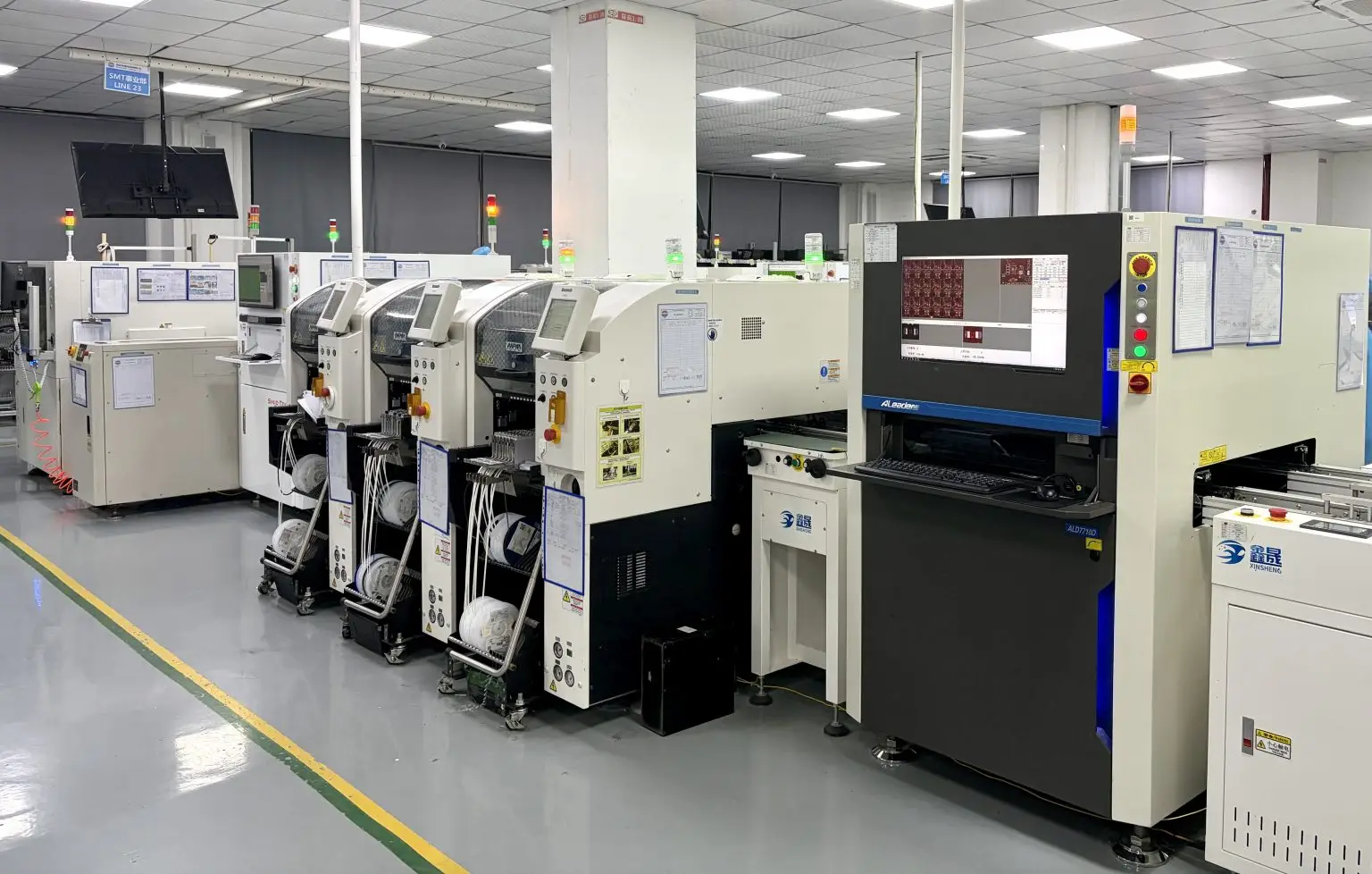
For electronics companies, a contract manufacturer typically supports processes such as PCB assembly, component sourcing, mechanical manufacturing, testing, and final packaging. This model allows businesses to access professional manufacturing capabilities without building their own factories or production systems.
Minewing operates as an experienced electronics manufacturing partner, providing services from PCB design and PCBA production to enclosure manufacturing, assembly, testing, and packaging. With more than 20 years of manufacturing experience, Minewing helps companies improve production efficiency while maintaining quality and reliability.
How OEM Services Differ from Contract Manufacturing
OEM, or Original Equipment Manufacturer, refers to a company that produces products designed by another brand and manufactured under that brand’s name. The OEM model is commonly used when companies have specific product designs but need a manufacturer with production capabilities.
The main difference between OEM and contract manufacturing is often related to ownership and involvement. In many OEM relationships, the manufacturer may have existing production capabilities or product platforms that can be customized according to customer requirements.
Contract manufacturers usually focus more on executing customer-provided designs, while OEM providers may have deeper involvement in manufacturing solutions, product configurations, and production processes.
For businesses comparing contract manufacturer vs. OEM differences, the key consideration is how much control and support they need throughout product development and manufacturing.
The Role of Electronic ODM Providers in Product Development
Electronic ODM providers offer a different approach by combining product design and manufacturing capabilities. An electronic ODM partner can participate in product development, engineering optimization, and production management.
Unlike traditional contract manufacturers that mainly focus on manufacturing execution, ODM providers often contribute technical expertise during the design stage. This can include industrial design, electronic engineering, PCB development, mechanical structure optimization, and product testing.
For companies with limited internal engineering resources, working with an electronic ODM provider can accelerate development and reduce technical challenges.
Minewing supports this collaborative approach by acting as an engineering bridge between product ideas and market-ready solutions. The company combines PCBA development with precision mechanical engineering to help customers create reliable and scalable hardware products.
Comparing Design Ownership and Customization Flexibility
One major factor when selecting a manufacturing partner is the level of design ownership and customization required.
Contract manufacturing can allow customers to retain design control when ownership, tooling, documentation, and change authority are clearly defined in the agreement. Businesses can maintain ownership of product concepts and specifications while relying on the manufacturer for production expertise.
OEM solutions may provide faster access to manufacturing resources but can involve more predefined processes or product structures. ODM solutions usually provide the most design support because the manufacturer contributes directly to product development.
Minewing offers flexible cooperation models that allow customers to select different levels of support based on project requirements. From prototype development to mass production, the company helps businesses balance customization needs, production efficiency, and cost considerations.
Evaluating Production Support and Supply Chain Expertise
Manufacturing success depends not only on production equipment but also on supply chain management, engineering experience, and quality control systems.
Experienced manufacturing partners help businesses manage component sourcing, production planning, testing requirements, and delivery coordination. This support becomes especially valuable as products move from prototypes to larger production volumes.
Minewing provides end-to-end electronics hardware solutions designed to simplify complex manufacturing processes. Its services support diverse customers, including emerging ventures and major industry players, by combining engineering knowledge with supply chain expertise.
With flexible production approaches and cost-optimized collaboration models, Minewing helps businesses adapt their manufacturing strategies according to different development stages.
Choosing the Right Manufacturing Model for Business Goals
The best manufacturing approach depends on a company’s resources, product complexity, and long-term objectives.
Businesses with strong internal engineering teams and complete product designs may prefer contract manufacturing because it provides production scalability while maintaining design control. Companies seeking additional product development support may benefit from OEM or electronic ODM partnerships.
Startups and emerging brands often require more guidance during early product development. A manufacturing partner that can support prototyping, engineering improvements, and market preparation can reduce development risks.
Minewing provides startup-friendly solutions by supporting innovators from prototype development to market launch. Its integrated services allow businesses to access engineering and manufacturing expertise without managing every stage independently.
Building Long-Term Partnerships Beyond Production
Modern electronics development requires more than selecting a factory. Successful companies increasingly seek manufacturing partners that can contribute technical insight, improve product reliability, and support future growth.
A strong manufacturing relationship creates opportunities for continuous improvement, faster problem-solving, and better product outcomes. Whether a company chooses contract manufacturing, OEM services, or an electronic ODM approach, collaboration remains essential.
Minewing focuses on creating long-term partnerships by combining engineering excellence, manufacturing experience, and flexible cooperation models. The company helps customers move from concept to reality by transforming ideas into products with reliable performance and market potential.
Selecting the Right Partner for Electronics Innovation
Understanding the contract manufacturer vs. OEM differences allows businesses to make more informed decisions when developing electronic products. Each manufacturing model provides unique advantages depending on the level of design support, customization, and production involvement required.
Minewing provides a comprehensive solution that combines engineering development, manufacturing capabilities, and supply chain expertise. By supporting customers from PCB design and prototyping to mass production and delivery, Minewing helps businesses create dependable hardware products while navigating the complex electronics manufacturing landscape.
