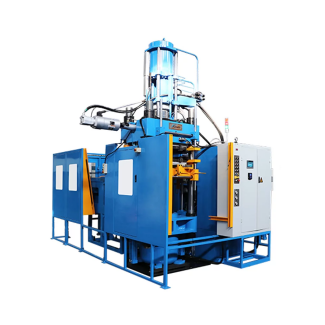
Evaluating material behavior is the primary step when selecting factory production hardware. Standard plastic equipment and a modern rubber injection molding machine both utilize high pressure to fill mold cavities. However, their thermodynamic processes operate in completely opposite directions.
Plastic machinery melts solid polymer pellets and injects them into a cold mold to cool and solidify. In contrast, a professional rubber injection moulding machine inputs a cold elastomeric compound into a highly heated mold cavity.
This intense heat triggers an irreversible chemical vulcanization process. This chemical reaction permanently cross-links the polymer chains. Choosing the right mechanical platform depends entirely on whether your manufacturing facility processes thermoset elastomers or traditional rigid thermoplastics.
Thermal Design and Barrel Control Differences
Processing sensitive polymer formulations requires entirely different barrel cooling and heating configurations to prevent material degradation. Plastic injection barrels operate at very high temperatures to melt rigid polymers like ABS, polycarbonate, or nylon.
If a HWAYI rubber machine operated at those extreme thermal levels inside the heating cylinder, the raw elastomeric compound would vulcanize prematurely. This premature vulcanization could cause material buildup, processing issues, and increased maintenance requirements.
To prevent this issue, a specialized rubber injection molding machine utilizes a precise liquid-cooling jacket around the injection barrel. This water-cooled configuration keeps the raw rubber compound warm enough to flow smoothly but cool enough to prevent early scorching.
The extreme vulcanization heat is only applied later via advanced platen heating elements once the material enters the mold cavity. Premium configurations from manufacturers like HWAYI feature tight platen temperature tolerances supported by advanced PID calibration software.
German-imported insulation plates are integrated directly into the frame design. This premium addition minimizes structural thermal dissipation and keeps energy consumption low. This configuration supports sustainable manufacturing goals while cutting operational overhead costs.
Material Flow and Injection Architecture
The physical handling of raw materials dictates the mechanical design of the injection unit and feeding system. Rigid plastic pellets rely on gravity-fed hoppers and high-heat reciprocating screws to transport liquid plastic forward during the cycle.
Conversely, raw elastomeric compounds are fed into the system as a cold, continuous strip or rubber ribbon. This form factor requires a heavy-duty mechanical roller feeder system to maintain a steady and consistent material supply line.
Modern engineering platforms developed by HWAYI incorporate advanced First-In, First-Out (FIFO) injection architectures to optimize flow dynamics. This specific design ensures that the oldest material in the barrel is always injected first, eliminating material stagnation points.
Plastic machines do not require FIFO pathways because molten plastic can remain hot for extended periods without undergoing chemical cross-linking. The integrated control networks on these advanced rubber units utilize Siemens PLC architectures and Rexroth hydraulic systems.
These top-tier components help maintain excellent process repeatability. HWAYI builds equipment with high injection accuracy, providing the tight process controls required for high-tier industrial contracts. This allows factory managers to achieve high capability index metrics.
Clamping Force and Degassing Sequences
During the vulcanization curing cycle, chemical reactions within elastomeric compounds release trapped air and volatile gases. Because of this natural outgassing, a premium rubber injection moulding machine incorporates automated degassing or “bumping” cycles during production.
These specialized cycles momentarily open the mold to allow gases to escape safely before the final curing phase concludes. This critical engineering process exhausts internal gases, preventing structural air voids, surface blisters, and physical defects.
Plastic systems do not require bumping sequences because molten plastics do not generate significant gas volumes during rapid cooling. However, rubber molding requires massive, continuous clamping forces to prevent flash along the parting lines during high-pressure injection phases.
Advanced HWAYI rubber machine platforms utilize heavy-duty hydraulic architectures to maintain stable pressure metrics throughout extended curing cycles. By utilizing closed-loop feedback systems, the machinery monitors injection pressures in real time on the factory floor.
The intelligent operating system makes immediate micro-adjustments to compensate for minor material variations. This highly technical capability ensures exceptional part quality and uniformity across long, continuous production runs. This stability protects bottom-line manufacturing metrics.
Custom Automation and Production Flexibility
The structural differences between these machine types extend directly into how finished parts are ejected from the tooling. Plastic parts cool quickly into a rigid state, allowing standard mechanical ejector pins to punch them out cleanly.
Because vulcanized rubber remains flexible and hot upon mold opening, factories require specialized auxiliary demolding mechanisms to prevent tearing. Premium industrial machinery incorporates automated slide systems, hydraulic core-pulling valves, and upper lifters to handle complex rubber geometries.
Furthermore, implementing a double working station configuration allows a rubber injection molding machine to maximize total factory throughput. While one station undergoes the extended rubber curing cycle, the operator safely prepares the secondary station.
This parallel processing setup reduces idle time and optimizes overall equipment effectiveness on the production floor. By utilizing a double working station layout, corporate buyers can significantly increase total factory throughput over standard automated systems.
This operational configuration allows one side of the machine to undergo the curing cycle while an operator safely loads the next insert. This smart workflow maximizes equipment utilization rates and shortens total cycle times.
Tooling Differences and Runner Systems
The internal design of the molds used in these two manufacturing processes reflects their contrasting thermal paths. Plastic injection molds utilize complex cold-runner or hot-runner systems designed to keep the plastic liquid until it completely fills the cavity.
Once inside the cavity, the cool mold walls solidify the plastic rapidly to finish the cycle. Conversely, rubber molds feature heated channels that maintain vulcanization temperatures across the entire platen surface throughout operation.
Because rubber cannot be easily re-melted after vulcanization, engineering teams optimize runner systems to reduce compound waste. Advanced HWAYI rubber machine configurations minimize runner scrap through precise cold-runner blocks, directly improving overall material utilization rates.
Maintaining zero structural deviation across the platen surface is critical when molding low-durometer compounds or intricate sealing joints. This mechanical stability ensures uniform flash-free parting lines and keeps dimensional tolerances well within strict international engineering standards.
This architectural optimization increases total factory throughput while reducing operational errors during manual manufacturing sequences. The rigid structural design protects delicate tooling components from premature wear and mechanical fatigue over years of operation.
Strategic Procurement and Equipment Selection
Industrial manufacturing operations must evaluate target part geometries, material types, and strict compliance standards before making an investment. Standard plastic machinery offers exceptionally fast cycle times for rigid consumer goods, electronic enclosures, and simple consumer packaging.
However, automotive weather stripping, high-voltage silicone insulators, and heavy-duty industrial dampers require the specialized capabilities of a rubber-specific press. Investing in a high-precision rubber injection moulding machine helps corporate procurement teams protect long-term manufacturing supply chains.
Working with an established engineering partner ensures access to reliable technical support and rapid after-sales assistance globally. Working with experienced manufacturers like HWAYI gives companies the application engineering insight needed to design custom tooling systems.
This technical collaboration shortens product development cycles and accelerates the commercial scaling of complex industrial components. Ultimately, matching your material selection with a robust mechanical platform ensures high product consistency and optimal cost-efficiency.
Choosing equipment that features full CE compliance options ensures seamless integration into regulated global factories without requiring aftermarket safety retrofits. This built-in compliance simplifies international deployment and aligns production lines with workplace safety standards.
