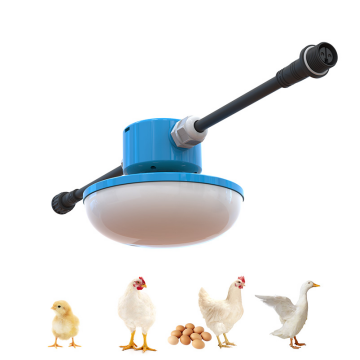
Modern poultry production has experienced a profound shift toward precision environmental management where every input is carefully calibrated to support the biological potential of the flock. Among the various environmental factors that dictate performance, artificial illumination stands out as a fundamental driver of bird development, metabolic regulation, and overall flock health. For large-scale farm owners and agricultural distributors, the challenge lies in creating dynamic lighting programs that evolve with the bird rather than remaining static throughout the growth cycle. Enterprises such as szAMB have emerged as key partners in this endeavor, providing advanced equipment and technical insights that allow farm managers to align their infrastructure with the physiological needs of their birds. By moving away from one-size-fits-all lighting, producers can better manage energy usage while simultaneously fostering environments that support consistent and healthy growth.
Early Stage Development Needs
The initial phase of a broiler life cycle requires an intensive approach to illumination to encourage early activity and feed intake. During the first few days post-hatch, chicks are highly dependent on environmental cues to establish feeding habits and locate water sources. A consistent and relatively high intensity of illumination helps young chicks navigate their surroundings and ensures they consume the necessary nutrients to support rapid tissue development. When implementing high-quality broiler house lighting, facility managers can effectively utilize higher light levels to stimulate movement and exploration. This critical period requires stability in the visual field to prevent stress, which could otherwise be triggered by uneven lighting or dark patches where chicks might struggle to find their way. The goal during these first few days is to establish a strong physiological foundation that carries the birds through their faster growth phases later in the cycle. By focusing on uniformity and intensity, operators set the stage for better early development, which correlates directly with long-term flock uniformity.
Balancing Growth and Rest in Mid Stages
As the flock enters the mid-growth stage, the focus of the lighting program typically shifts from pure stimulation to a balance between activity and metabolic recovery. The rapid weight gain experienced during this period requires birds to have sufficient time to feed, but it also necessitates periods of rest to allow for cardiovascular and skeletal development. It is at this stage where understanding the specific light requirements for broiler chickens becomes paramount. Excessive light intensity during the middle of the growth phase may lead to increased restlessness or higher levels of activity, which can divert energy away from muscle development and toward unnecessary movement. By utilizing dimmable systems, managers can subtly reduce the intensity to create a calmer environment that encourages the birds to feed and then rest effectively. This controlLED approach prevents the physiological exhaustion that can sometimes occur when birds are exposed to bright light for extended hours. The ability to modulate intensity based on the specific breed and growth rate allows producers to exert a level of control over the developmental trajectory of their flocks, ensuring they do not grow too quickly at the expense of their bone or immune system integrity.
Managing the Finishing Phase
The final stage before harvest, often referred to as the finishing phase, is where lighting management is perhaps most sensitive. By this time, the birds have reached a significant body mass, and their metabolic load is high. The primary objective shifts toward minimizing stress and ensuring consistent feeding until the end of the production cycle. A common practice in modern management is the introduction of a more pronounced dark period to facilitate deeper rest and hormonal regulation. This dark cycle is essential for melatonin production and immune system function, both of which are critical for birds nearing market weight. During this phase, sudden changes in illumination are particularly risky because they can trigger panic responses, leading to piling and injury. Implementing systems that allow for gradual, programmable transitions between light and dark phases helps the flock settle comfortably. By mimicking the natural progression of sunset and sunrise, producers can reduce the risk of startle responses, keeping the environment quiet and orderly even as the birds approach their final weights.
The Impact of Professional Environmental Control
The transition toward automated and programmable lighting solutions represents a major upgrade in operational capability. Manual or simplistic lighting systems often fail to account for the nuanced differences required by birds at different ages, leading to inefficiencies that can impact feed conversion ratios and overall flock quality. When facility managers choose to integrate professional-grade technology, they gain the ability to create repeatable, data-driven programs that remove the element of guesswork from their daily operations. Professional solutions focus on minimizing the presence of high-frequency flicker, which is a known stressor in intensive poultry environments. Even if this flicker is imperceptible to the human eye, its presence can cause nervous behaviors and reduced feed efficiency in broilers. By prioritizing stable and consistent light output, producers create a more reliable and calm atmosphere that allows the birds to focus on their primary function of growth.
Building a sustainable future in poultry production requires a focus on both welfare and output efficiency. The integration of specialized lighting programs is an investment that yields returns in the form of healthier birds, improved uniformity, and a reduction in the environmental stressors that can hamper production performance. Collaborative partnerships with manufacturers who provide not only hardware but also technical expertise allow farm owners to navigate the complexities of environmental management with greater confidence. As the agricultural industry continues to prioritize evidence-based practices, the role of precise, stage-specific lighting will likely become even more central to successful production. By leveraging the right technology and adhering to scientifically informed management schedules, large-scale operations can ensure that their flocks remain healthy, active, and productive from the first day through to the final harvest.
