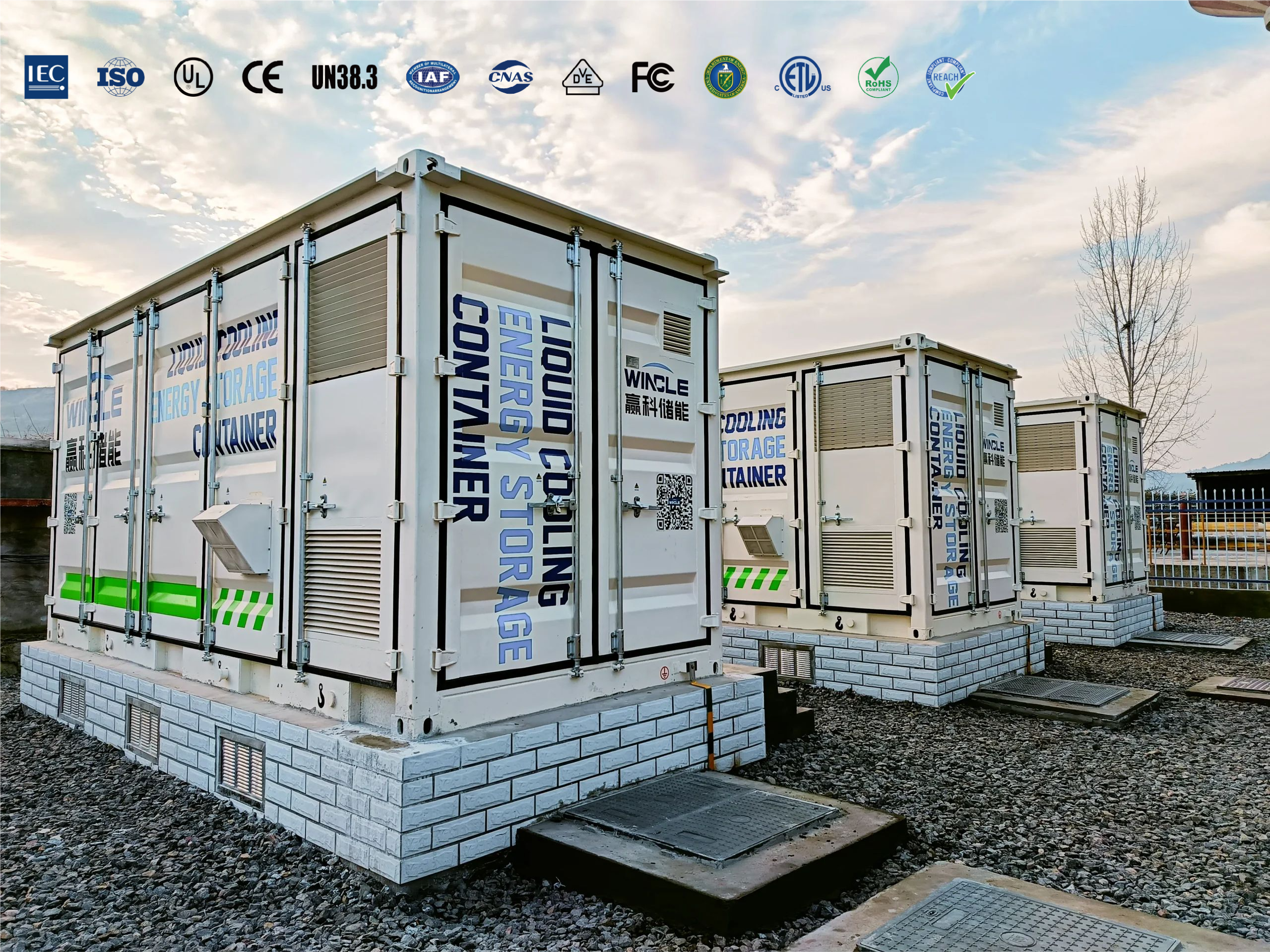
In the evolving energy landscape, the demand for reliable and stable power has never been greater. As renewable energy sources like wind and solar become increasingly integrated into the grid, the need for effective energy storage solutions is critical. Utility-scale battery energy storage systems have emerged as essential components for ensuring grid stability. This article examines the importance of grid-scale energy storage systems in maintaining a reliable energy supply, focusing on companies like Wenergy that specialize in these transformative solutions.
The Role of Utility-Scale Battery Energy Storage Systems
Utility-scale battery energy storage systems provide a crucial buffer between energy supply and demand. These systems store excess energy generated during peak production periods, such as sunny or windy days, and release it during higher demand periods when energy generation may falter. This capability plays a vital role in balancing the grid, particularly as the share of variable renewable energy increases.
Wenergy exemplifies this with its custom solutions designed for grid stability. By utilizing AI-driven energy management systems (EMS), Wenergy optimizes the performance of its grid-scale energy storage systems, ensuring efficient interaction with the overall grid. This technology enables utilities and power producers to make data-driven decisions that improve energy distribution, increase operational efficiency, and reduce costs.
Moreover, grid-scale energy storage systems enhance the resilience of electricity networks. By enabling rapid response to fluctuations in demand or unexpected outages, these systems help maintain a steady energy flow. For utilities and renewable developers, this reliability translates into improved service delivery and increases public trust in renewable energy initiatives.
Benefits for Utilities and Renewable Energy Developers
The integration of utility-scale battery energy storage systems presents multiple benefits for a range of stakeholders, including utilities, power producers, and renewable energy developers. One of the most significant advantages is the capacity to defer investments in grid infrastructure. By effectively utilizing existing resources through optimized energy storage, companies can delay or even mitigate the need for costly new infrastructure projects.
Additionally, these systems support the economic viability of renewable energy projects. As utility-scale storage solutions can store excess energy and release it when demands spike, they maximize energy utilization and improve the return on investment (ROI) for developers. This capability is crucial in making renewables a more attractive option for energy providers seeking to meet sustainability targets while ensuring profitability.
Wenergy’s approach to developing grid-scale energy storage systems showcases the potential for scalability and adaptability. With customizable designs, businesses can easily expand their storage capacity to meet growing energy needs, adapting to changes in demand and regulatory requirements. This flexibility is essential in a market where energy demands are constantly evolving.
Establishing a Sustainable Energy Future
Utility-scale battery energy storage systems serve as an integral part of the strategy for ensuring grid stability in a world increasingly reliant on renewable resources. By facilitating the storage of excess energy and managing demand fluctuations, these systems enhance the reliability of electricity networks. Companies like Wenergy, with their focus on innovative and efficient grid-scale storage solutions, are pivotal in this transition.
In summary, the importance of utility-scale battery energy storage cannot be overstated. These systems not only bolster grid stability but also present significant economic and operational benefits for utilities and renewable energy developers. By embracing these solutions, stakeholders can contribute to a more resilient and sustainable energy future while adapting to the dynamic challenges of modern energy landscapes.
