Global price increases are creating new challenges for businesses planning digital advertising projects. From electronic components to metals and international freight, rising production costs can influence the final price of an outdoor LED screen. For advertising agencies, digital out-of-home (DOOH) operators, and commercial property developers, understanding these cost pressures is essential for setting realistic budgets and avoiding unexpected expenses.
What Is Driving Global LED Display Price Increases?
The cost of an LED display depends on more than its visible screen area. It also includes semiconductor components, circuit boards, power supplies, cabinet materials, assembly, transportation, and installation. When several of these expenses increase simultaneously, manufacturers may need to adjust their quotations.
Industry reporting in October 2026 identified rising costs for LED chips, driver ICs, printed circuit boards, and power supplies as factors affecting LED display manufacturing. Meanwhile, the International Energy Agency reported that prices for base metals, including aluminum, copper, and tin, rose by around one-third between January 2025 and April 2026.
These pressures can affect an outdoor LED screen in several ways:
Electronic components: LED chips and driver ICs are essential to image quality and display control. Higher component costs can increase manufacturing expenses.
Cabinet materials: Metal prices influence the cost of structural components, although the impact varies by design and material selection.
Logistics and installation: International shipping, handling, structural support, and on-site labor add to the total project budget.
Price changes are not identical across manufacturers or models. Buyers should therefore compare current, itemized quotations rather than assume every LED display will experience the same percentage increase.
How Rising Costs Affect an LED Screen for Advertising Outdoor
Outdoor advertising projects must balance visibility, durability, and operating costs. Choosing the cheapest available display may reduce the initial purchase price, but inadequate brightness, insufficient weather protection, or difficult maintenance can create additional expenses later.
For an LED screen for advertising outdoor, buyers should evaluate specifications against the installation environment and viewing distance. Brightness is particularly important for screens exposed to direct sunlight, while ingress protection helps determine whether a display is suitable for rain and dust.
Pixel pitch also affects purchasing decisions. A smaller pixel pitch provides greater pixel density, which can benefit locations where viewers stand relatively close to the screen. For large roadside billboards viewed from farther away, a larger pixel pitch may provide an appropriate balance between image quality and cost.
Other factors worth checking include power consumption, maintenance access, cabinet weight, spare-parts availability, and warranty coverage. Evaluating these details helps businesses distinguish a genuinely economical display from one with a low purchase price but higher lifetime expenses.
How Coblinks Helps Buyers Evaluate Outdoor LED Display Options
Based in Shenzhen, China, Coblinks is an LED display manufacturer with more than 10 years of industry experience. Its portfolio includes rental displays, fine-pitch commercial screens, and creative LED solutions for applications such as DOOH, control rooms, corporate environments, broadcast studios, and live events.
The company’s MD Series offers modular display configurations for indoor and outdoor applications. According to its official product specifications, the outdoor models MD2.9, MD3.91, and MD4.81 provide a brightness of 5,000 cd/m², a refresh rate of at least 3,840 Hz, and an IP65 protection rating.
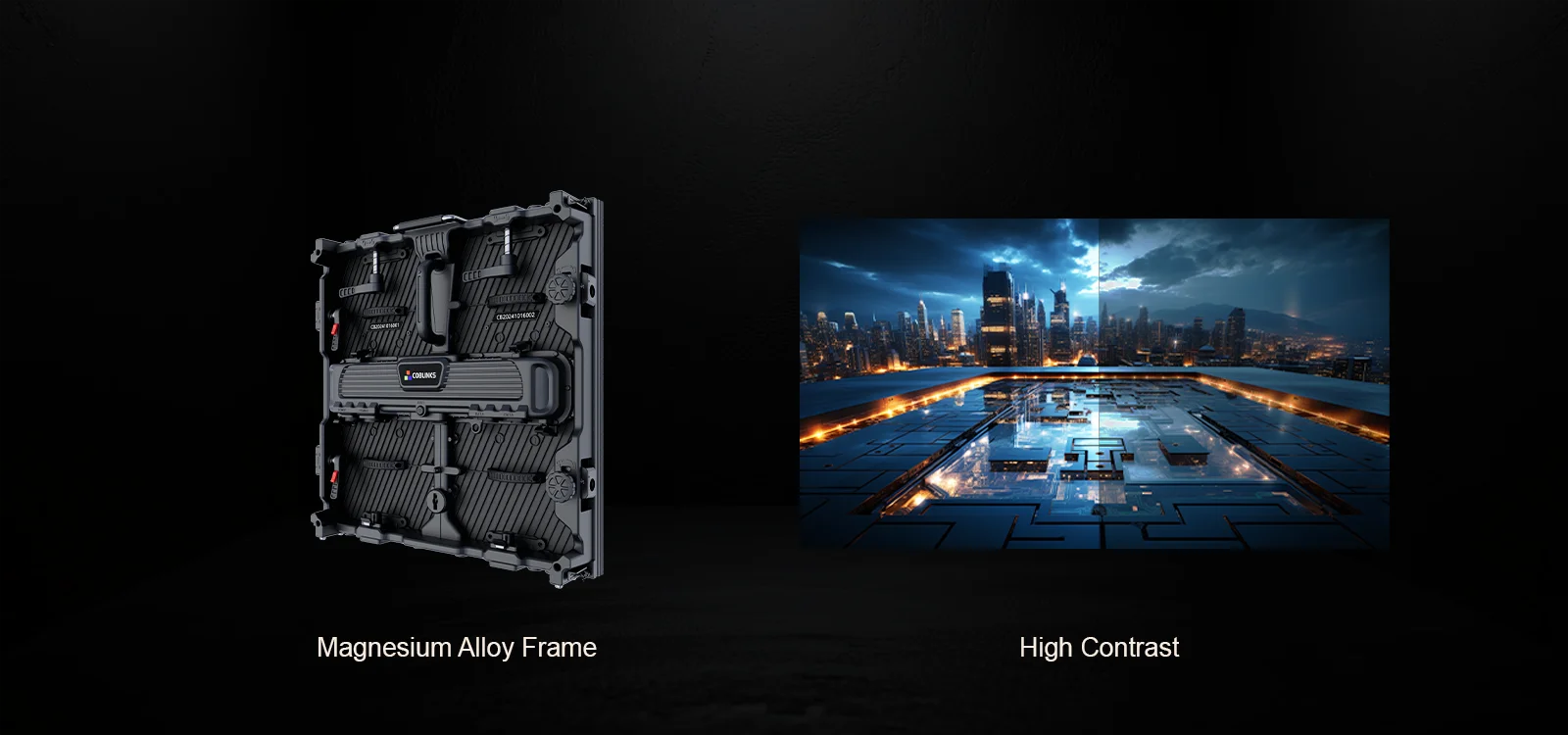
The series also features magnesium alloy cabinets, front-and-rear maintenance, and support for curved configurations of 0°, ±2.5°, and ±5°. Cabinet sizes include 500 × 500 mm and 500 × 1,000 mm, with respective outdoor cabinet weights of 7 kg and 10.5 kg.
These specifications give project planners concrete information for assessing visual performance, handling requirements, and environmental suitability. Buyers can review the Coblinks MD Series product page to compare configurations before requesting a project quotation.
How to Manage Your Outdoor LED Screen Budget
Although businesses cannot control every global price movement, they can make purchasing decisions that reduce avoidable costs.
First, define the screen’s purpose, dimensions, viewing distance, and operating conditions before requesting quotations. This prevents overspending on specifications that the application does not require.
Second, compare suppliers using the same technical requirements. An outdoor LED screen quotation should clearly identify the model, pixel pitch, brightness, protection rating, included accessories, warranty terms, and delivery conditions.
Third, calculate the total cost of ownership rather than focusing exclusively on the initial price. Energy consumption, maintenance access, replacement components, installation, and transportation can all influence long-term expenditure.
Finally, confirm quotation validity and delivery schedules with the supplier. When component prices and lead times fluctuate, clear purchasing terms help businesses manage procurement risks and plan project cash flow more effectively.
Conclusion
Global price hikes can affect an LED screen for advertising outdoor through higher component, material, and logistics costs. However, a carefully specified display and a transparent supplier quotation can help businesses protect their budgets without compromising essential performance.
With its MD Series outdoor options and published technical specifications, Coblinks provides buyers with a practical starting point for comparing display configurations. Evaluating product suitability, installation requirements, and long-term operating expenses allows businesses to make more informed investments in outdoor digital advertising.
