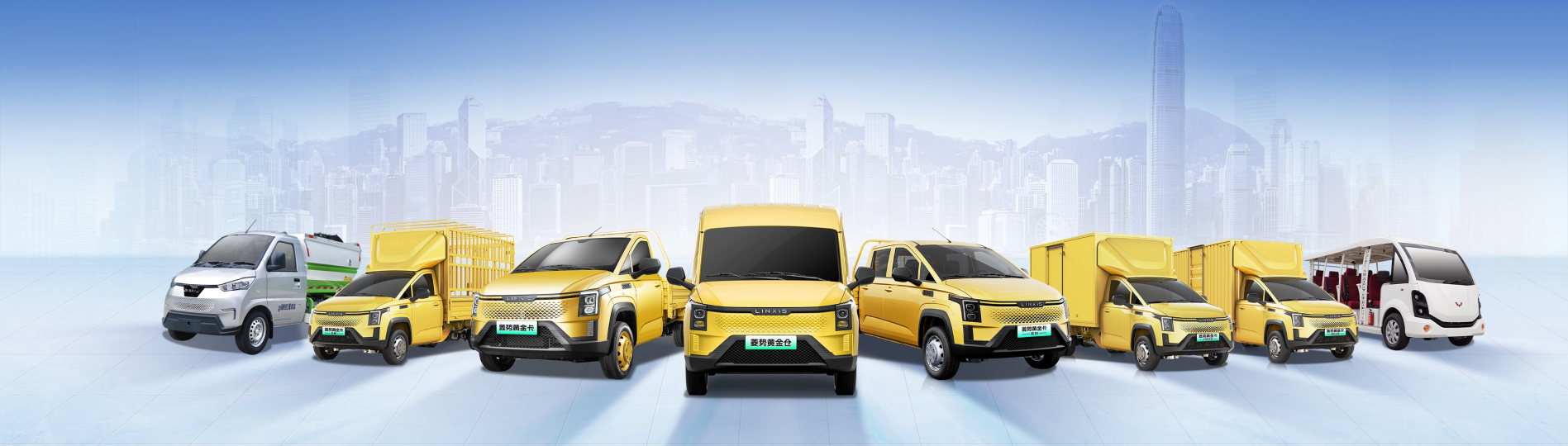
Urban delivery is entering a new phase as cities work to reduce transport-related emissions and improve local air quality. For logistics operators, zero-emission zones can introduce new requirements governing vehicle access to central districts, commercial areas, and other regulated locations. This is making electric commercial vehicles increasingly relevant for last-mile operations. Among them, the electric parcel delivery van is particularly well suited to the stop-and-go nature of urban freight.
For business buyers, the transition is not simply about replacing an internal-combustion vehicle with an electric alternative. Fleet operators must consider route patterns, payload requirements, charging arrangements, operating costs, vehicle utilization, and regulatory access. A well-matched electric vehicle can therefore become both a trusted solution and a practical fleet-management tool.
Zero-Emission Zones Are Reshaping Urban Logistics
Zero-emission zones are intended to reduce vehicle emissions in defined urban areas. Their specific rules differ between locations, but the underlying objective is to encourage cleaner transportation and reduce pollution from road traffic. For commercial fleet operators, this means vehicle selection increasingly needs to account for environmental requirements as well as conventional factors such as payload and operating range.
Electric vehicles have an obvious advantage in these environments because battery-electric vehicles produce no tailpipe emissions during operation. This characteristic makes them particularly suitable for routes that regularly pass through areas where access is restricted according to vehicle emissions.
For parcel operators, this can be especially important. Last-mile deliveries often require vehicles to enter dense commercial districts, residential neighborhoods, office areas, and city centers. An electric parcel delivery van can help businesses maintain access to these routes while supporting broader fleet decarbonization objectives.
Why a Parcel Delivery Van Works Well With Electrification
The operating pattern of parcel delivery naturally fits many characteristics of electric vehicles. Delivery vehicles commonly travel predetermined routes, make numerous stops, and return to a depot after completing their daily schedules. These predictable patterns can make planned charging easier than it would be for vehicles operating continuously across long-distance routes.
Depot charging also allows fleet managers to integrate charging into existing vehicle schedules. A vehicle can potentially charge during planned downtime instead of requiring a separate fueling stop. The International Energy Agency identifies depot charging as an important charging approach for electric commercial vehicles, particularly when fleet operations are predictable.
Another consideration is the urban operating environment itself. Electric drivetrains generally produce less operating noise than conventional combustion powertrains, which can be useful when deliveries take place near residential buildings, pedestrian areas, campuses, and other noise-sensitive locations.
Matching the Right Special Purpose Vehicle to the Job
Electrification alone does not determine whether a commercial vehicle will work effectively. The body configuration, cargo capacity, dimensions, payload, charging requirements, and route profile must correspond with the actual application. This is where the concept of a special purpose vehicle becomes valuable for professional fleet planning.
Wuling Motors has a dedicated specialized-vehicle business covering special vehicles, logistics vehicles, trucks, and non-road vehicles. The business inherits more than 30 years of complete-vehicle manufacturing experience and covers both traditional-energy and new-energy vehicle products.
Wuling’s broader corporate profile also identifies commercial vehicles, including new-energy logistics vehicles, as part of its automotive business. Its operations also include vehicle-component development, automotive power systems, and commercial vehicles, with production bases in China, Indonesia, and India.
This background is relevant to fleet buyers because specialized commercial transportation often requires more than a standard passenger vehicle adapted for business use. Different industries may require different cargo bodies, layouts, access arrangements, or operating configurations.
Wuling’s Experience Supports Specialized Commercial Applications
Wuling has a history of developing new-energy logistics vehicles. Its historical reporting shows that the company developed electric logistics vehicles as part of its specialized-vehicle activities, including the EV50, while also working on additional new-energy commercial vehicle products.
The company has subsequently continued developing its new-energy vehicle business. Its ESG reporting describes efforts to expand new-energy logistics vehicle products and notes applications across different markets.
For business buyers, this experience matters because commercial electrification depends on vehicle integration, durability, serviceability, and suitability for repetitive operating cycles. A manufacturer with experience across both conventional and new-energy platforms can approach specialized transportation requirements from a broader engineering perspective.
Fleet Planning Matters More Than Vehicle Type Alone
Selecting an electric parcel delivery van should begin with operational data rather than simply the desire to become electric. Fleet managers should examine daily mileage, average delivery stops, payload, route gradients, seasonal requirements, charging availability, and vehicle downtime.
Charging infrastructure also deserves early consideration. A fleet may need depot chargers, workplace charging, or carefully planned public charging depending on its operating model. Businesses should compare charging capacity with the number of vehicles and their departure schedules to avoid creating a new operational bottleneck.
The same principle applies when evaluating a special purpose vehicle. A vehicle that looks suitable on paper may not perform efficiently if its dimensions, cargo configuration, or operating characteristics do not match the application. Business buyers should therefore assess the complete operating scenario before making procurement decisions.
Electric Vans Can Turn Compliance Into an Operational Advantage
Zero-emission zones are often viewed as a regulatory challenge, but they can also encourage businesses to modernize their fleets before restrictions become more widespread. Electric delivery vehicles can help businesses meet applicable zero-emission requirements for urban delivery routes while supporting corporate sustainability targets.
For logistics companies, retailers, service providers, and other organizations managing frequent urban deliveries, the electric parcel delivery van is therefore more than an emissions-reduction tool. Its value comes from combining compatibility with applicable vehicle-emission requirements and predictable daily operation and the possibility of integrating charging into established fleet routines.
Building a More Adaptable Urban Delivery Fleet
The growth of zero-emission zones is changing how commercial fleets are planned. Electric vehicles are particularly compelling for predictable urban routes where charging can be incorporated into normal operating schedules.
Wuling Motors’ experience across specialized vehicles, logistics vehicles, commercial vehicles, and new-energy technologies gives it a relevant foundation for this evolving market.
For business buyers, the strongest approach is not to electrify for its own sake. It is to select the right special purpose vehicle, verify its suitability for the intended routes, and build a charging and fleet strategy around actual business requirements. With that approach, electric parcel delivery vans can help turn zero-emission-zone requirements into an opportunity for cleaner, more adaptable urban logistics.
