A scooter may look solid in a showroom yet develop loose fasteners, frame fatigue, or suspension problems after months of daily use. For distributors, these issues can translate into warranty claims, repair expenses, and lost customer confidence. Assessing structural durability before committing to bulk inventory requires more than checking appearance or advertised load capacity.
A durable electric scooter should be evaluated through its frame construction, welding quality, component design, and performance under realistic operating conditions. LUYUAN participates in the electric two-wheeler market, where understanding these factors can help prospective dealers compare suppliers and make better-informed purchasing decisions.
Frame Construction and Welding Quality
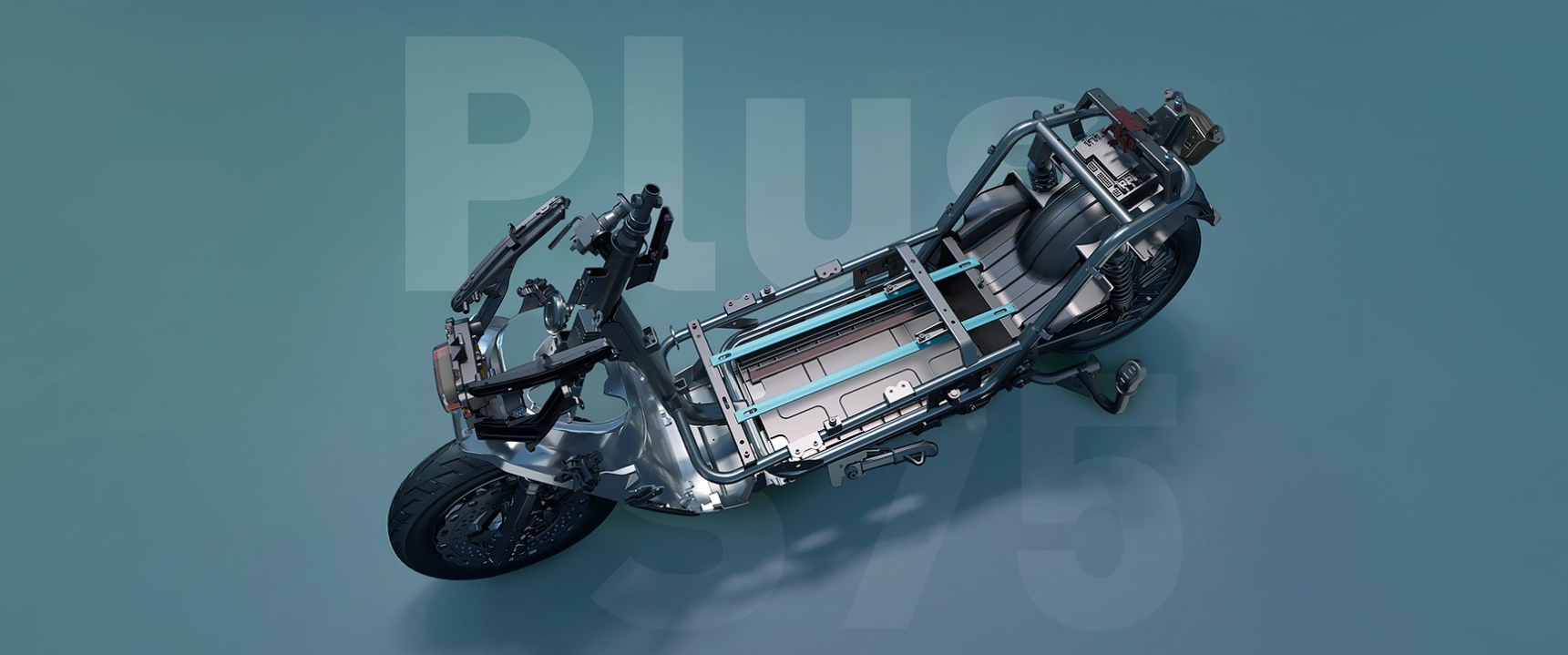
The frame supports the rider, battery, motor, and other major components while absorbing forces from acceleration, braking, and uneven road surfaces. Material thickness matters, but it cannot independently determine structural strength. Steel grade, tube geometry, joint design, heat treatment, and manufacturing tolerances all affect how loads travel through the frame. A thicker component may increase weight without providing a proportional improvement in fatigue resistance, so wholesale purchasers should consider the complete structural design rather than relying on a single specification.
Welded joints deserve particular attention because stress can concentrate around connections between frame members. Inconsistent weld penetration, porosity, cracks, or excessive heat input may weaken a joint even if the surrounding metal appears substantial. Robotic welding can improve repeatability when equipment is properly calibrated and process parameters are controlled, although automation alone does not prove that every weld meets the required standard. Suppliers should be able to explain their inspection procedures and provide relevant quality records.
Physical assessment can reveal issues that photographs and brochures cannot show. During sample evaluation, distributors can inspect weld consistency, alignment, paint coverage, exposed edges, and the fit of structural components. They should also ask whether the manufacturer conducts fatigue or vibration testing and request the applicable test methods and results. For a durable electric scooter, repeatable manufacturing quality is just as important as the strength of an individual sample because wholesale orders contain many units produced across different batches.
Testing Fatigue Resistance and Real-World Performance
Road vibration places repeated stress on frames, steering assemblies, suspension mounts, and fasteners. Even relatively small forces can contribute to fatigue damage when they occur thousands of times over a vehicle’s service life. Testing that applies repeated loading can help identify weak points before products reach customers. Distributors should ask how the test conditions represent the intended usage, whether critical joints are monitored, and what acceptance criteria determine a pass or failure.
Load testing addresses a different question: whether the vehicle can withstand a specified force or weight under defined conditions. A static test may reveal deformation under a particular load, but it does not necessarily predict how the frame will behave after prolonged vibration or repeated impacts. Dynamic testing, fatigue testing, and road trials provide complementary evidence. The strongest evaluation process combines these methods rather than treating one successful test as proof of long-term reliability.
Operating conditions also influence the likelihood of structural problems. Frequent curb impacts, overloaded cargo racks, rough roads, corrosion, and neglected maintenance can accelerate wear. A distributor serving delivery fleets may need different evidence from one supplying occasional recreational riders. Before purchasing a durable electric scooter, the dealer should establish the expected rider load, road conditions, daily distance, and maintenance schedule, then check whether the manufacturer’s test program reflects those demands.
Component Integration and Supplier Quality Control
Structural reliability depends on more than the main frame. Steering bearings, suspension parts, wheel axles, brake mounts, and folding mechanisms, where fitted, can all influence how forces are distributed. Poor alignment or low-quality fasteners may create movement at joints, while inadequate corrosion protection can weaken exposed components over time. A useful inspection should cover these interfaces and identify parts that require periodic tightening, lubrication, or replacement.
Quality control must also remain consistent throughout mass production. Incoming material inspections, welding-process checks, dimensional measurements, and final assembly inspections serve different purposes. Dealers can ask whether the supplier records inspection results by batch, how nonconforming products are handled, and whether corrective actions are documented when recurring defects appear. These procedures help distinguish a repeatable production system from one that depends heavily on manual judgment.
LUYUAN’s promotional material for its heavy-duty electric scooter describes a steel frame using material stated to be 30% thicker than industry standards, robotic precision welding, and testing against millions of vibration cycles. These are manufacturer claims that prospective distributors should verify through model-specific technical documents, test conditions, and supporting quality records before using them in purchasing decisions.
Conclusion
A wholesale purchase becomes less uncertain when durability is treated as a measurable engineering and quality-control issue rather than a visual impression. Frame design, weld inspection, fatigue resistance, component integration, and batch consistency each provide a different piece of evidence. Dealers evaluating a LUYUAN electric vehicle or comparing alternative suppliers should request documentation, examine representative samples, and clarify warranty and spare-parts arrangements before placing substantial orders.
LUYUAN offers an electric two-wheeler portfolio and dealer cooperation opportunities through its official product catalog and partnership page. A careful assessment gives distributors a clearer basis for managing service costs, protecting customer trust, and building a sustainable business around reliable mobility products.
