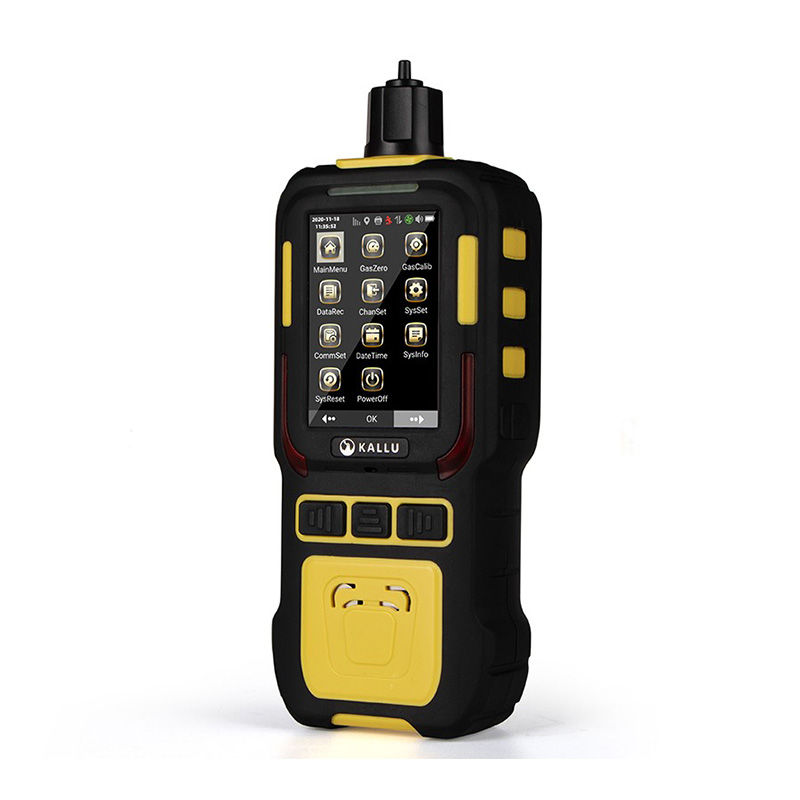
What remains in a vessel after storage can pose a different hazard from what enters its air during cleaning or hot work. Configuring a multi gas detector by confined space type starts with the material and the job at each location. The resulting list of gases determines the sensors, and the available sampling points determine how air reaches them.
A useful comparison begins with two jobs that may involve similar equipment. Removing residue in a process tank and inspecting a wastewater chamber can both involve a restricted opening, yet the materials inside give the team different reasons to test the air. Even at the same opening, a change in residue or work can change the required channels.
Wastewater Chambers and Sewer Manholes
Decomposing material in sewer systems can produce hydrogen sulfide, and limited ventilation can let hazardous conditions develop. Oxygen depletion can also be a concern in these spaces. These are separate reasons to measure the air. The presence of a hydrogen sulfide channel still leaves the oxygen concentration to be measured in its own right.
Sewer contents and connections provide context when teams specify a multi gas detector for confined space evaluations in the system. Air in a chamber can be affected by material from elsewhere in the system. The task assessment determines whether other channels belong in the configuration and where measurements are needed to characterize the work area.
Fuel Residues and Work Inside Vessels
Fuel residues and planned hot work raise different questions in a tank. A residue can release combustible vapor after the bulk liquid has been removed. A combustion source associated with the job may add carbon monoxide to the assessment. The previous contents and the work method therefore belong on the same equipment request.
A team specifying a multi gas detector for a tank can name the target vapor in addition to listing the combustible channel. The sensor must respond suitably to the intended substance. The specification can identify an appropriate calibration gas or a documented correction for the target when a different reference is used.
Food Production and Cleaning Chemicals
Fermentation can release carbon dioxide, and enclosed processing vessels can retain it. Where carbon dioxide is a target, a multi gas detector for confined space applications needs a sensor specified for that gas. An oxygen channel measures the oxygen fraction. Its value cannot establish the concentration of carbon dioxide in a mixture of gases.
Cleaning introduces a second set of inputs. The product names and process conditions inform which vapors the assessment needs to address. A solvent or cleaning agent may require a sensor suited to the specific chemical and a way to verify its response. Adding a channel only expands coverage if that channel measures a relevant substance.
Among the pumped Bosean K-600M options, one six-channel example includes carbon dioxide at 0–5% by volume and nitrogen dioxide at 0–20 ppm. The first can be considered where the assessment identifies carbon dioxide. The second has its own target and range and belongs on the order only if the evaluation calls for nitrogen dioxide.
Decide Where the Air Can Be Collected
Access to the sampling point determines whether a detector can be exposed directly to the air of interest or needs a line to bring that air to it. If the instrument has to remain at the opening, a multi gas detector for confined space entry checks may need a compatible line and pump. The sample location and the operator’s position are then separate.
Two Bosean instruments show how the sampling requirement can change the equipment choice. The four-channel K-40 uses natural diffusion. The S40 can measure by diffusion or use its built-in pump, specified at 500 mL/min, and supports configurations for up to four gases. The sampling mode and sensor combination both need to match the job.
The farthest planned sampling point in a shaft is a useful case for evaluating a pumped setup. The tubing material has to suit the target gas, and the time allowed at that point has to account for travel along the line at the operating flow and the time the sensor takes to respond.
Translate Each Space Into a Purchase Specification
Within a purchase specification, one line per job keeps the space and task beside the target gases and ranges. Calibration gas and the sampling path can sit on that same line, so a reviewer can see whether a sensor change also affects the equipment needed to verify it or collect the sample.
A multi gas detector specification can list verified Bosean options alongside the requirements without leaving the supplier to infer the intended setup. A model name alone may cover several combinations. An order can state which sensors are included, what units their results use, and which sampling arrangement has to be available at delivery.
Delivery can confirm that the sensors and sampling parts listed for each location are available for the job. The choices remain tied to the original assessment even when several departments order the same instrument model. A change in vessel contents, cleaning chemistry, or work method is a reason to check the configuration again.
SEO Title: Multi Gas Detector Setups for Confined Spaces
Meta Description: Compare gas detector configurations for sewers, vessels with fuel residues and food plants, including sensor selection and remote sampling needs.
