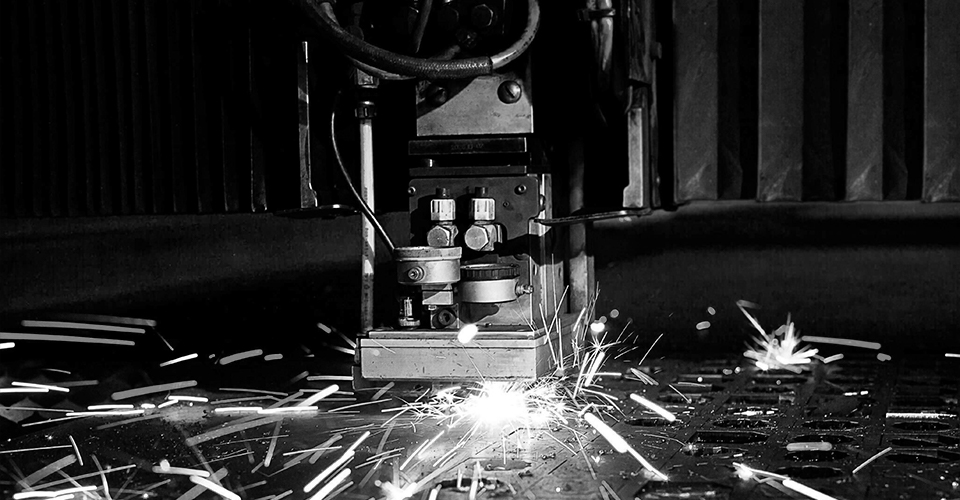
Industrial design is not only about how a product works but also about how it communicates with users. Material choices, surface colours, and visual details influence the way people understand a product’s character. In many industrial applications, designers look for finishes that combine technical feeling with visual warmth. A bronze metal finish provides a balanced appearance by connecting metallic strength with a more natural colour expression. Professional metal finishing solutions also give manufacturers more options when developing products with specific design requirements.
The Colour Expression Behind Modern Industrial Products
Colour influences product perception from the first visual impression. Traditional industrial products often use silver, black, or grey surfaces because these colours represent precision and practicality. However, warmer metallic tones can create a different design language by adding depth and reducing the cold feeling commonly associated with industrial materials.
A bronze metal finish creates a connection between modern manufacturing and classic material aesthetics. The colour contains both metallic reflection and earthy tones, which allows products to maintain a professional appearance while showing more visual personality.
This design approach is suitable for products that need to balance technology and user experience. Equipment panels, electronic housings, automotive components, and customised product models may use warm metallic colours to support a specific market image.
Material Language and Product Identity
Materials communicate information beyond physical performance. The texture, reflection, and surface quality of a product can influence how customers understand its value and positioning. Designers often consider surface appearance during early development because the final product needs to match both functional expectations and visual goals.
Different finishes can create different emotional responses. Smooth metallic surfaces may suggest modern technology, while textured finishes may highlight craftsmanship and detail. Bronze tones provide another option for companies that want their products to appear reliable while avoiding a purely mechanical impression.
For industrial manufacturers, selecting a suitable finish requires consideration of material characteristics, production methods, and application environments. Proper metal finishing processes help create consistent surfaces that support the original design concept.
Why Warm Metallic Styles Support Industrial Design Value
Industrial products are often evaluated by technical performance, but appearance can also influence market acceptance. A well-designed surface treatment helps products communicate their intended positioning before users interact with their functions.
Warm metallic finishes are often considered for products that require a combination of professional performance and refined appearance. For example, specialised equipment, commercial devices, and high-value components may benefit from finishes that create a stronger visual connection with users.
The purpose of using a warm colour is not simply decoration. It can support product differentiation, improve design consistency, and help companies build a clearer visual identity during product development.
Surface Design Considerations During Prototype Development
Prototype development provides an opportunity to evaluate product concepts before production begins. During this stage, manufacturers need to consider not only dimensions and structures but also surface appearance. A prototype should represent the intended product direction as closely as possible.
A bronze metal finish can help designers review whether the selected style matches the product concept. This is especially useful when companies need to assess appearance, material combination, and overall presentation before making further decisions.
They provide CNC precision machining and prototype manufacturing services for industrial customers. Honpe combines machining experience with customised finishing capabilities, supporting projects that require detailed surface evaluation and prototype refinement.
Combining Manufacturing Experience with Design Requirements
The connection between design ideas and manufacturing knowledge is important during product development. A surface concept created by designers needs to consider whether it can be produced consistently through suitable manufacturing methods.
Some prototype projects require additional attention to surface details. Skilled technicians may refine models manually to achieve specific visual effects, especially for products where appearance evaluation plays an important role. This combination of technology and craftsmanship supports more accurate design reviews.
Honpe has experience in prototype surface treatment and also operates a dedicated leather and protective cover processing area. These capabilities allow them to support projects involving different materials and design requirements.
The Role of Engineering Support in Product Development
Successful product development often requires communication between designers, engineers, and manufacturers. Early discussions about materials, structures, and finishes can help companies make better decisions before moving into production stages.
They have a research and development centre that supports technical communication and manufacturing improvement. Their team works with customers to understand project requirements and provide support during prototype development.
For international industrial clients, cooperation with experienced manufacturing partners can simplify the transition from concept models to physical products. Combining CNC machining, surface solutions, and engineering knowledge helps different teams coordinate development tasks more effectively.
Creating Long-Term Design Value Through Surface Choices
Modern industrial design continues to explore new ways to combine functionality and visual appeal. Surface choices are becoming an important part of product planning because they influence both user perception and brand presentation.
A suitable finish can help companies create products that communicate their intended characteristics more clearly. The selection of metal finishing solutions should consider appearance, manufacturing conditions, and long-term product requirements.
For companies developing industrial products, the relationship between material, colour, and manufacturing capability remains an important consideration. Honpe supports these projects through CNC machining, prototype development, and customised processing services. By combining practical manufacturing knowledge with design understanding, they help customers transform product concepts into physical models with balanced technical and visual qualities.
